A new generation of software company. AI-native, operationally focused.

Our first product is Itsumo, a delightful language learning app that lets you generate academic-level lessons about whatever you want. For Japanese, Polish, Spanish, Portuguese, Italian, French.

The nature of software companies is changing. We have to throw out the old rules.

We started okthink because we're the kind of engineers who optimize the process, not just the product. AI turns that skill into a massive advantage. AI doesn't just change the products that can be made, but how software companies work internally. We use that velocity to ship products that would normally require a much larger team. We are a multi-product software company, and our first product targets a market that's close to our hearts.

Itsumo, a generative platform for language lessons.

The Japanese Language Proficiency Test is the global standard for Japanese fluency, covering vocabulary, kanji, grammar, reading, and listening. No single app covers all five skills. Learners end up paying for multiple subscriptions across different apps, one for kanji, one for grammar, another for listening, plus textbooks on the side. That's $15 to $25 a month and you still have gaps. Itsumo replaces all of them with one AI-powered platform.

The Japanese language market

1.72M
JLPT applicants in 2024, an all-time record
873
Japanese language schools in Japan, doubled in a decade
134K
People studying Japanese in the United States

Japan's aging population is actively recruiting foreign workers. Japan's 2027 Employment for Skill Development program will require JLPT N5 minimum for worker visas. That creates an entirely new category of test takers: professionals who never needed JLPT before but now must pass to keep their jobs.

The timing is right. AI finally makes it possible to generate structured, JLPT-aligned content at scale. What used to require a large editorial team can now be done by a small team with the right tools.

The platform already supports six languages.

The global language learning market is valued at $65 billion and projected to reach $190 billion by 2030. Japanese is our wedge, but the platform we're building is language-agnostic.

Itsumo already generates structured lessons in Spanish, French, Portuguese, Italian, Haitian Creole, and English. Every language shares the same AI content pipeline and the same lesson architecture. As we prove the model works for the JLPT, we can replicate it across other standardized tests like the DELE, DELF, CILS, and TOEFL. Heritage language families, corporate training programs, and government-mandated proficiency requirements all represent expansion paths that don't require rebuilding the core product.

We're a small team that ships like a large team

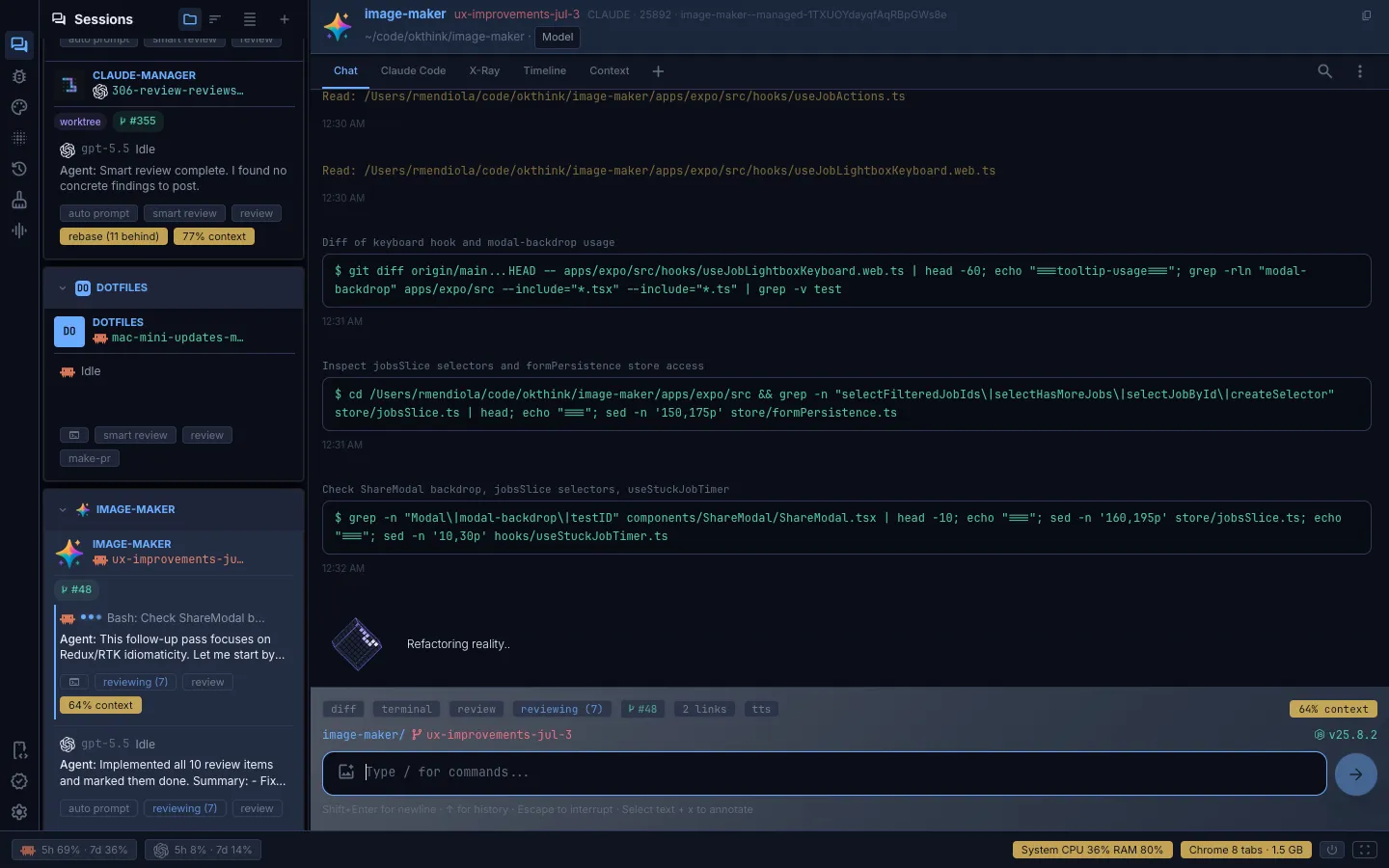
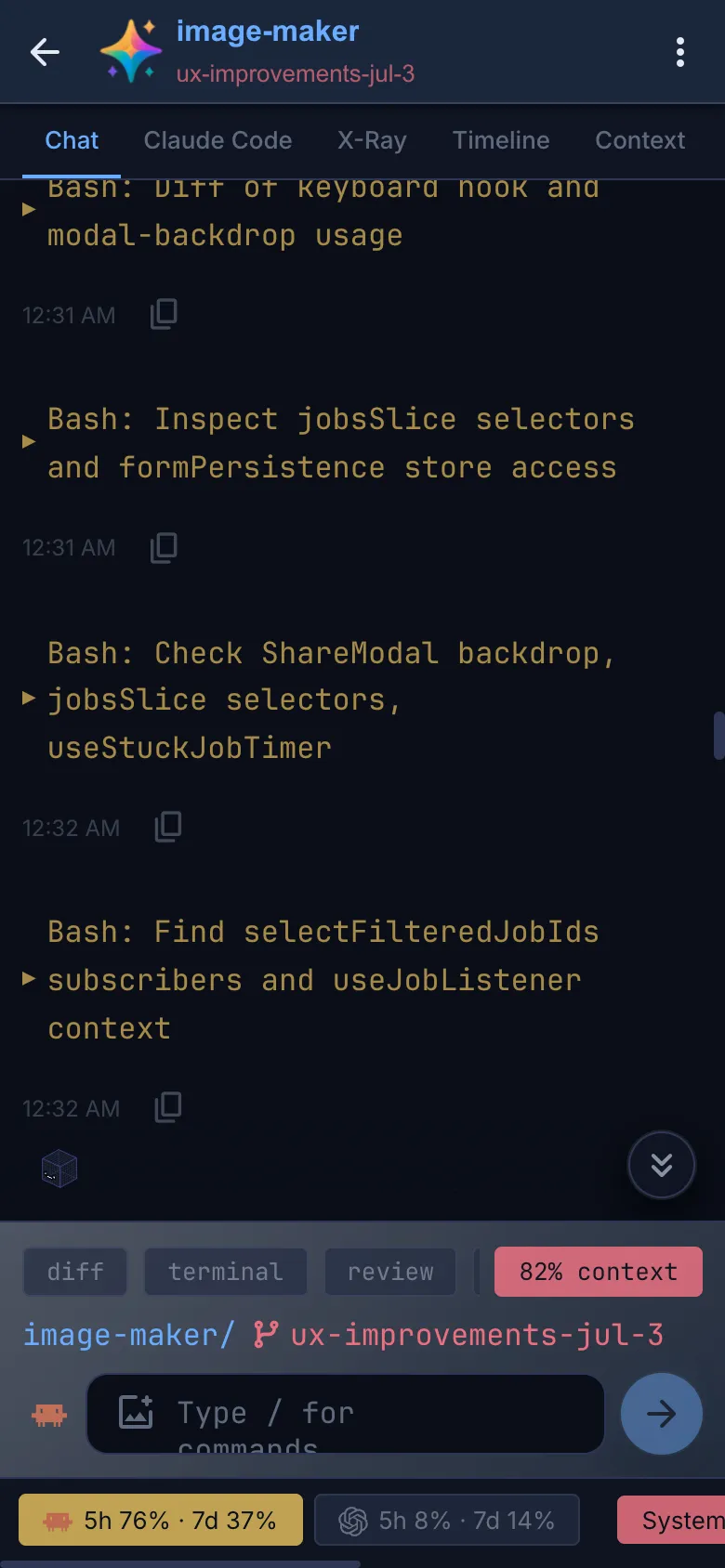
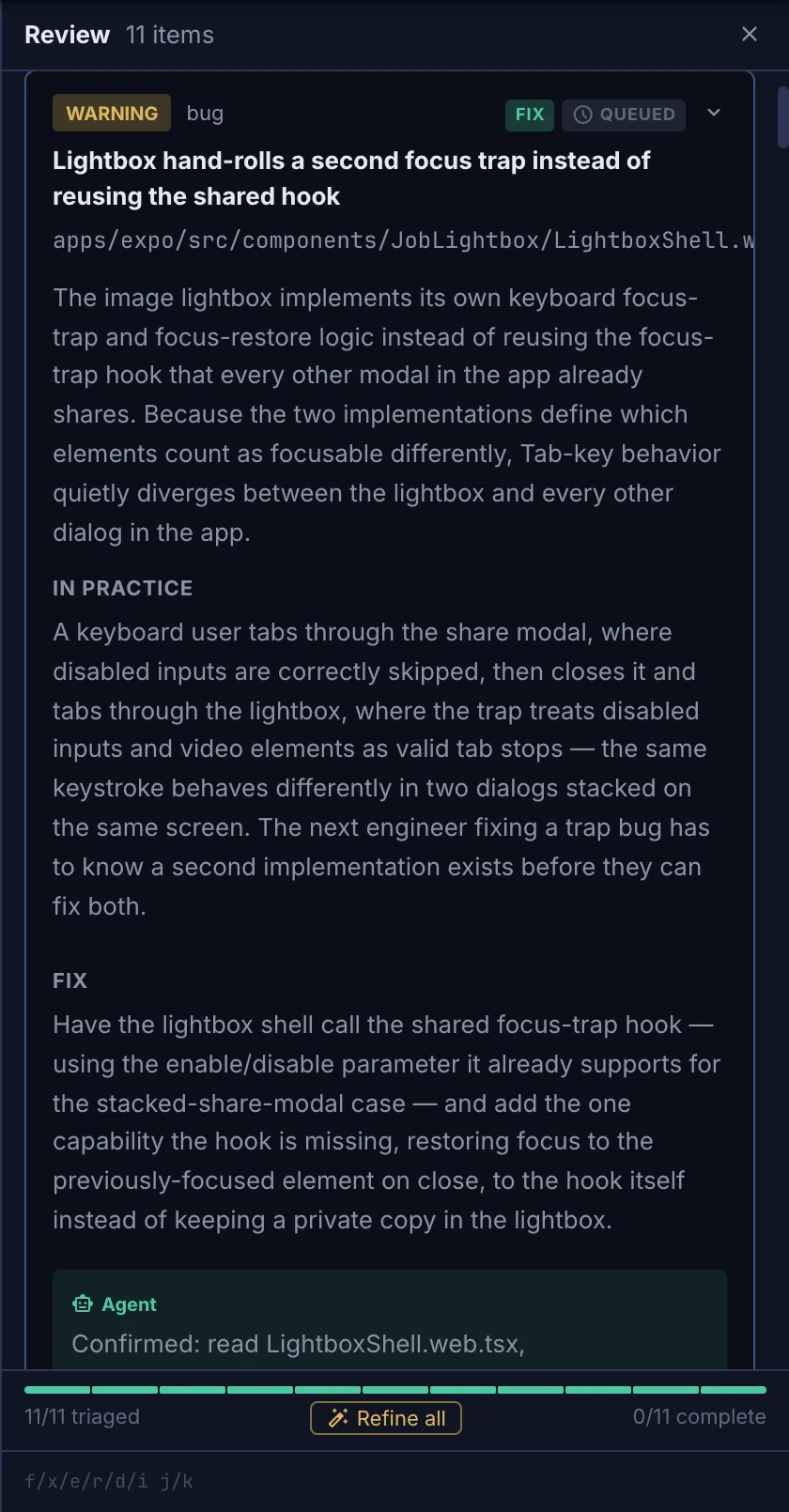
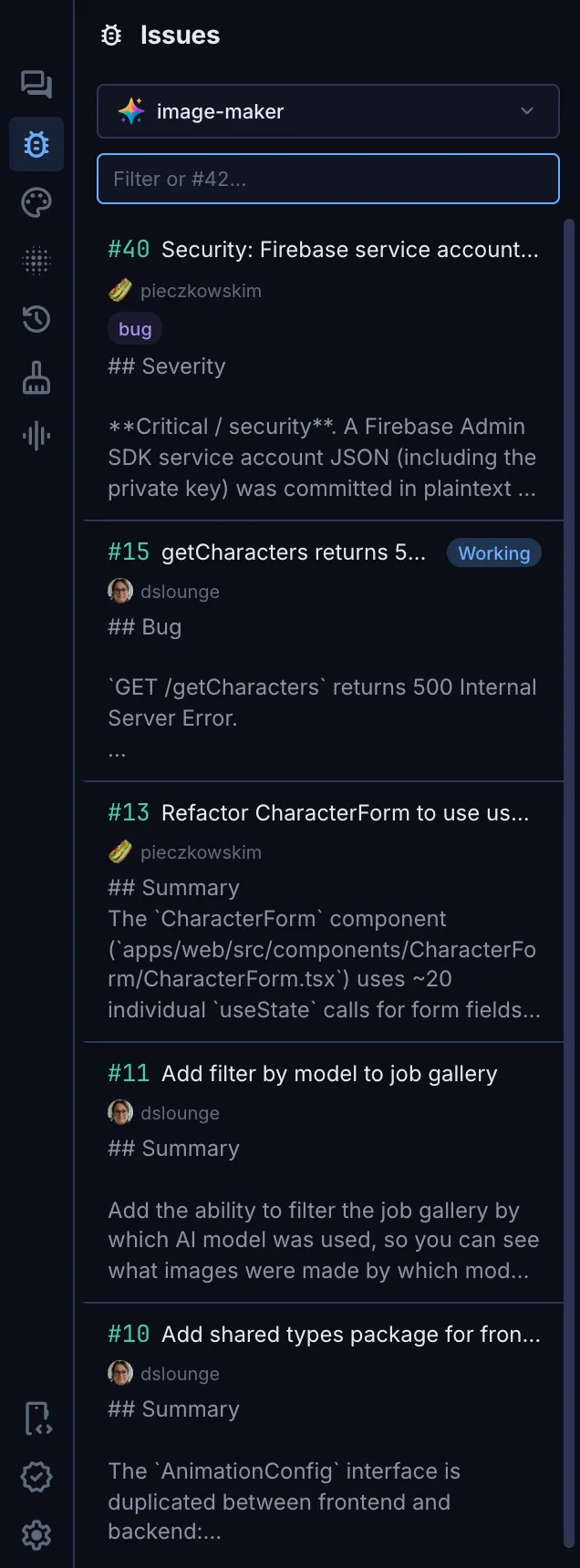
We don't just write code. We orchestrate AI agents that write, test, and review code in parallel. Our agentic orchestration layer manages dozens of coding agents working on different tasks simultaneously. This isn't about replacing developers — it's an operational mindset. We treat AI agents as junior engineers that need clear specs, code review, and supervision. The result is a two-person team that ships like ten.

Rafael Mendiola

Co-founder

Staff Software Engineer. Previously at Hinge Health (IPO'd 2025) and HubSpot. CS from MIT with a concentration in Japanese. He's studied Japanese for 10 years and taken the JLPT in Japan three times. He built Itsumo because the fragmented study experience drove him crazy. He's given a number of tech talks including Large-Scale React Native Development in the Age of AI at App.js Conf, Design System Implementation at Scale at Chain React, AI for the Rest of Your Technical Job at the Wroclaw AI Meetup, and Building Better Developer Workflows with AI at Amazon Developer Dev Chat. Based in Boston.

Margaret Pieczkowski

Co-founder

Senior Engineering Manager. Previously at Hinge Health (IPO'd 2025) and eSentire. CS from DePaul University. Spent years building backend systems, data pipelines, and cloud infrastructure. Currently learning Polish as a heritage language learner — she's used Itsumo while traveling in Poland. Based in San Francisco.

We worked together at Hinge Health for over two years. We managed the ingress of the mobile app, allowing 64 developers across 16 teams to ship features while doing large refactors. We know how to manage engineering operations and ship under pressure.

Why a duck?

A duck can swim, walk, and fly. Building great software isn't a single-discipline game. It requires people who can move fluidly between disciplines: engineering, design, product thinking, user research, and operations.

The software industry spent decades splitting these into separate disciplines, creating silos that calcify over time. The seams between those silos don't stay internal. Every handoff between a designer and an engineer, every misalignment between a product manager's vision and what actually gets built, those organizational seams show up as seams in the product.

Designing a product, coding a product, and envisioning a product are three of the many facets of one integrated game. The best software comes from people who can work in the full spectrum of disciplines. That person ships better work than any three specialists handing documents back and forth.

Itsumo is the first product. Not the last.

We're building a new generation of software company. The tools and workflows we've developed let a small team ship at the pace of a much larger one, and we intend to apply that leverage across multiple products.

Beyond language learning, we're building tools for personal organization and team operations. The AI development tooling we've built internally may become its own product.

[ ] layers O onion

Colors

Shortcuts

1-6
Select color
E / 0
Eraser
[ ]
Prev / next layer
Right-click
Erase cell
Ctrl+Z
Undo
Ctrl+Shift+Z
Redo
O
Toggle onion skin
X
Export to clipboard